The Yamada and Malkin families shared a connection to King Edward Bay on the western side of Bowen Island that continued long after the Yamadas were forced to leave. What began as a working relationship developed into a friendship between the families, remembered by their children for decades.
Their story may have begun with a Japanese man known simply as Nakamura.
Little is known about Nakamura, including his first name. Family memories describe him as having come from Okinawa and as a relative of Kanichi Yamada, possibly a cousin.
By the early twentieth century, Nakamura was working for the Malkin family at King Edward Bay as a gardener and caretaker.
The children knew him as “Nakky” and remembered him as a character and a prankster. He would come to the Malkin house, sit on the steps, fill his pipe and entertain the children with stories. Family recollections also describe him as skilled in martial arts, which he sometimes taught to younger relatives when their mothers allowed it.
Other stories about Nakamura have been passed down through the family, including that his family had samurai ancestry and that he brought an antique sword with him from Japan.
Exactly when Nakamura arrived on Bowen Island is not known. His connection to Kanichi Yamada, however, may help explain how the Yamada family came to make King Edward Bay their home.
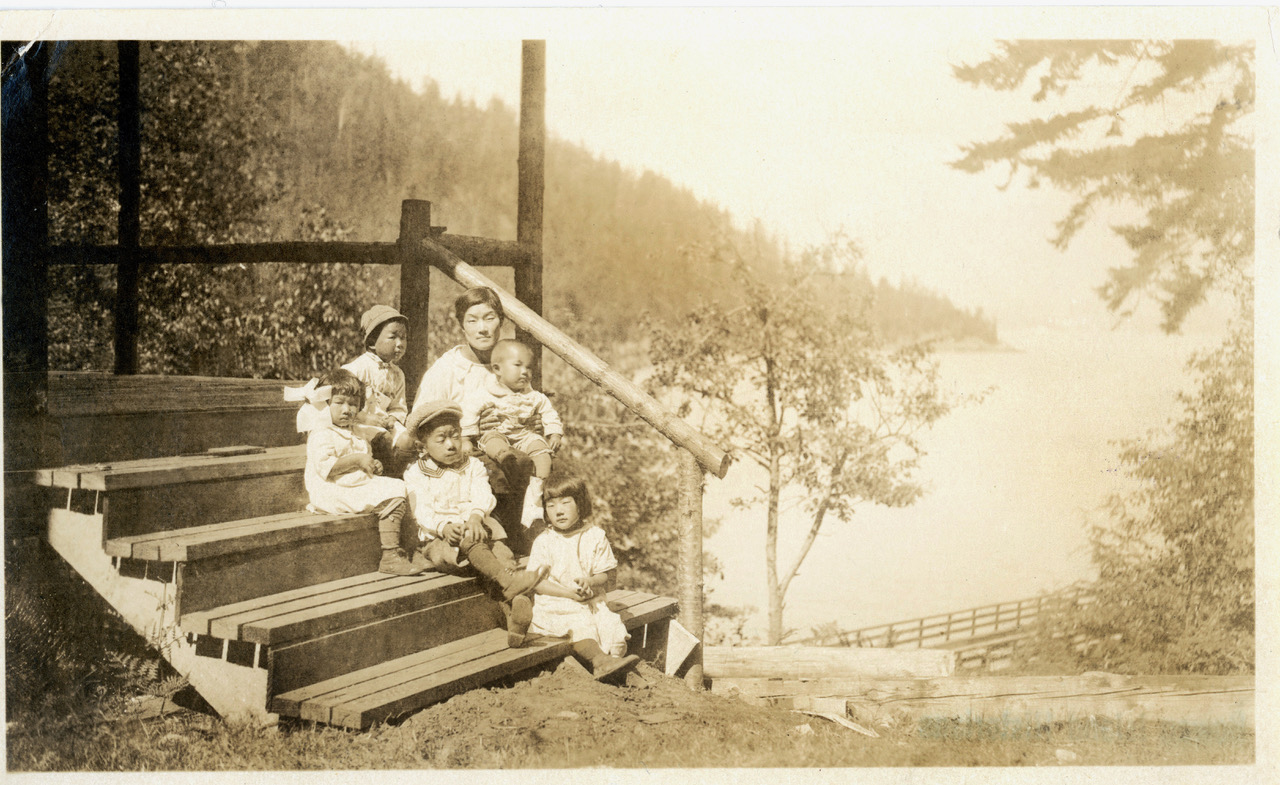
Kanichi Yamada was born in Japan in 1887 and came to Canada as a young man. He worked in logging in the Lower Mainland before eventually coming to Bowen Island.
Kanichi entered into an arrangement with James Frederic “Fred” Malkin, whose family had a summer property at King Edward Bay. In exchange for caring for the property and undertaking work around the estate, the Yamada family established a home there.
Kanichi and his wife, Masano, raised their ten children at King Edward Bay: Hiroshi, Kikue, Masao, Yoshiko, Tame, Raku (Luck), Yemiko, Isamu, Mitsuo and Kiyoto. The children grew up alongside the Malkin children and other Bowen Island families.
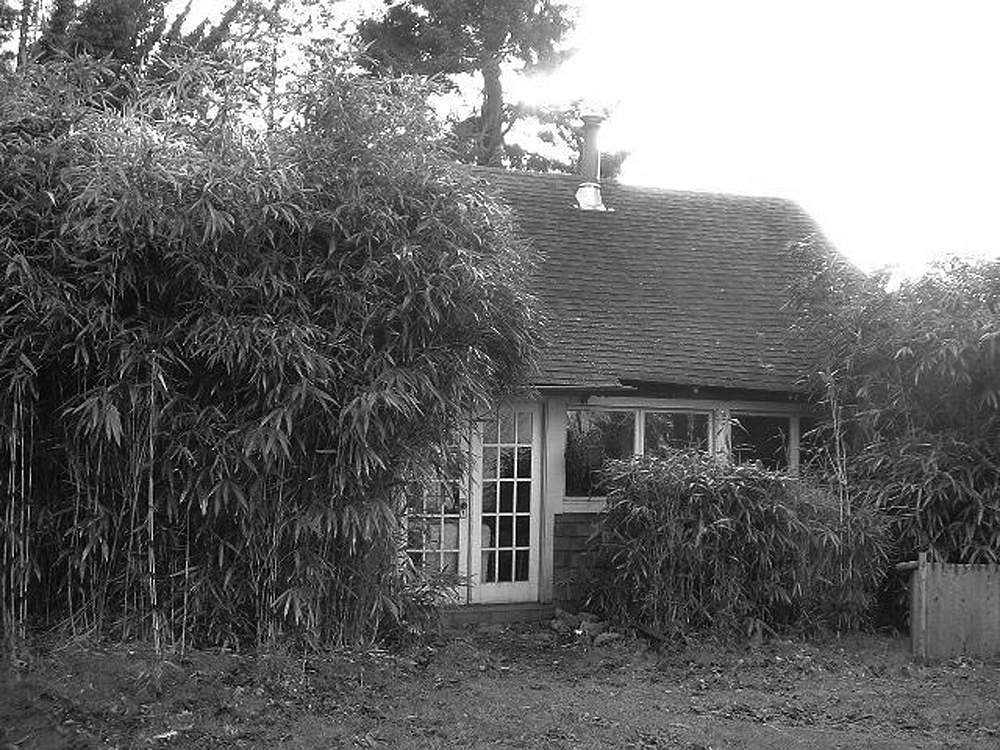
Using timber cleared from the surrounding land, the family built a house and gradually established their home, gardens and working landscape at King Edward Bay.
Building the farm
In the late 1920s, Kanichi began a small dairy operation. It started when the family’s cow produced more milk than they needed. As demand grew, so did the herd. By the late 1930s, the Yamadas were keeping six or seven cows, with approximately 20 acres of cleared land divided into rotating fields.
Clearing that land was formidable work. Fred Malkin and Kanichi worked together to remove the enormous stumps left from earlier logging, sometimes using dynamite. Toby Malkin remembered the children sneaking close enough to watch:
“I can remember my grandfather and old man Yamada down there digging holes under these big roots and stuffing them full of dynamite … all of a sudden the ground would lift up and you would hear this great whoop.”
He remembered pieces of wood raining down afterward and described clearing the land as almost “a game with them.”Another family memory captures the experience more simply: waking in the morning to “KAPOW.”
Kanichi and Fred became friends. Together they worked on a trail connecting King Edward Bay with the rest of the island, and Kanichi built a small tea room for the Malkins where the families could gather and watch the sunset. What had begun as a working arrangement developed into a friendship that continued between the two families.


For the Yamada children, getting to school was an adventure in itself.
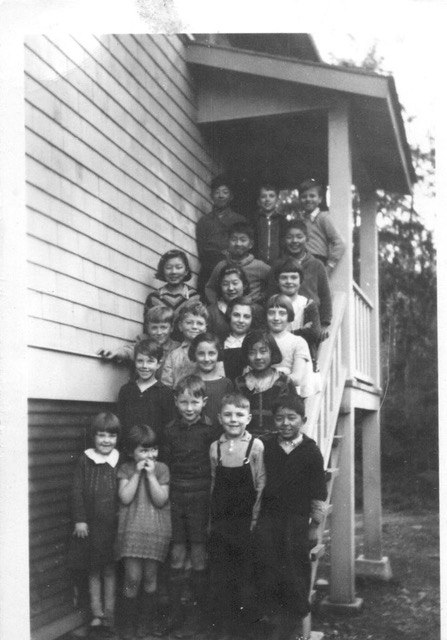
On school mornings, the children who were old enough travelled with their father in his boat, the K.Y., to Mount Gardner dock. From there, they walked to the school on Miller Road.
The journey home was not always so straightforward. When weather made the boat trip impossible, the children sometimes had to make the long journey back to King Edward Bay on foot, occasionally arriving home late or after dark.
Bowen Island’s small school had only a few dozen pupils, and the Yamada children formed friendships with other island children. Joan Tennant Billington remembered the family well and was particularly close to Yoshiko, Yemiko and Kiyoto.
Memories of these years are filled with ordinary childhood experiences: playing in the forest, fishing from the docks, going to school and spending time with friends and neighbours.
A Childhood Interrupted
By 1941, increasing restrictions on Canadians of Japanese descent were beginning to affect the family. In the spring of that year, members of the Yamada family registered with the RCMP and received identification cards.
In 1942, they learned that they would be forced to leave their home at King Edward Bay.
Before the family left, young Masao Yamada buried a small lead toy truck beneath a tree, hoping he would be able to find it when they returned.
The toy truck was never found.
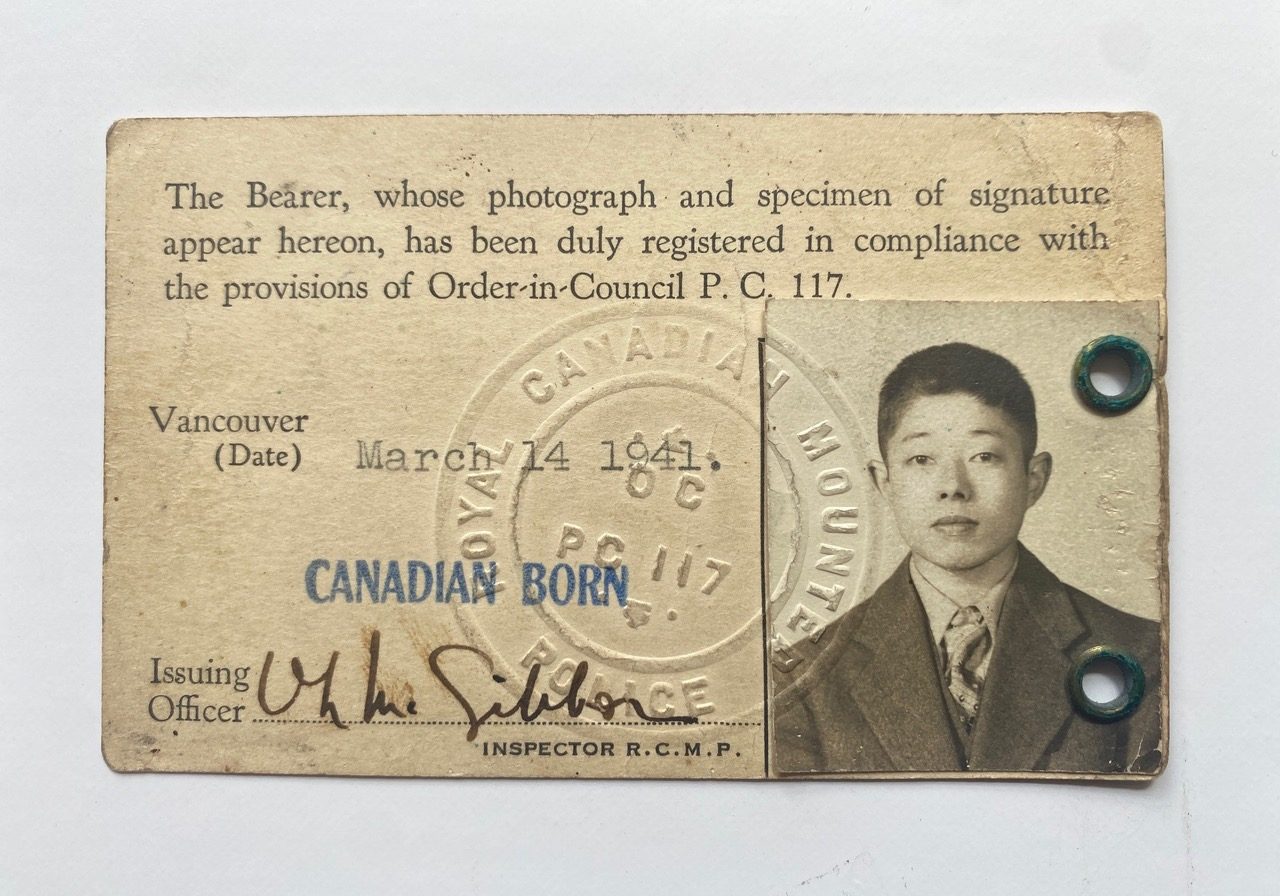
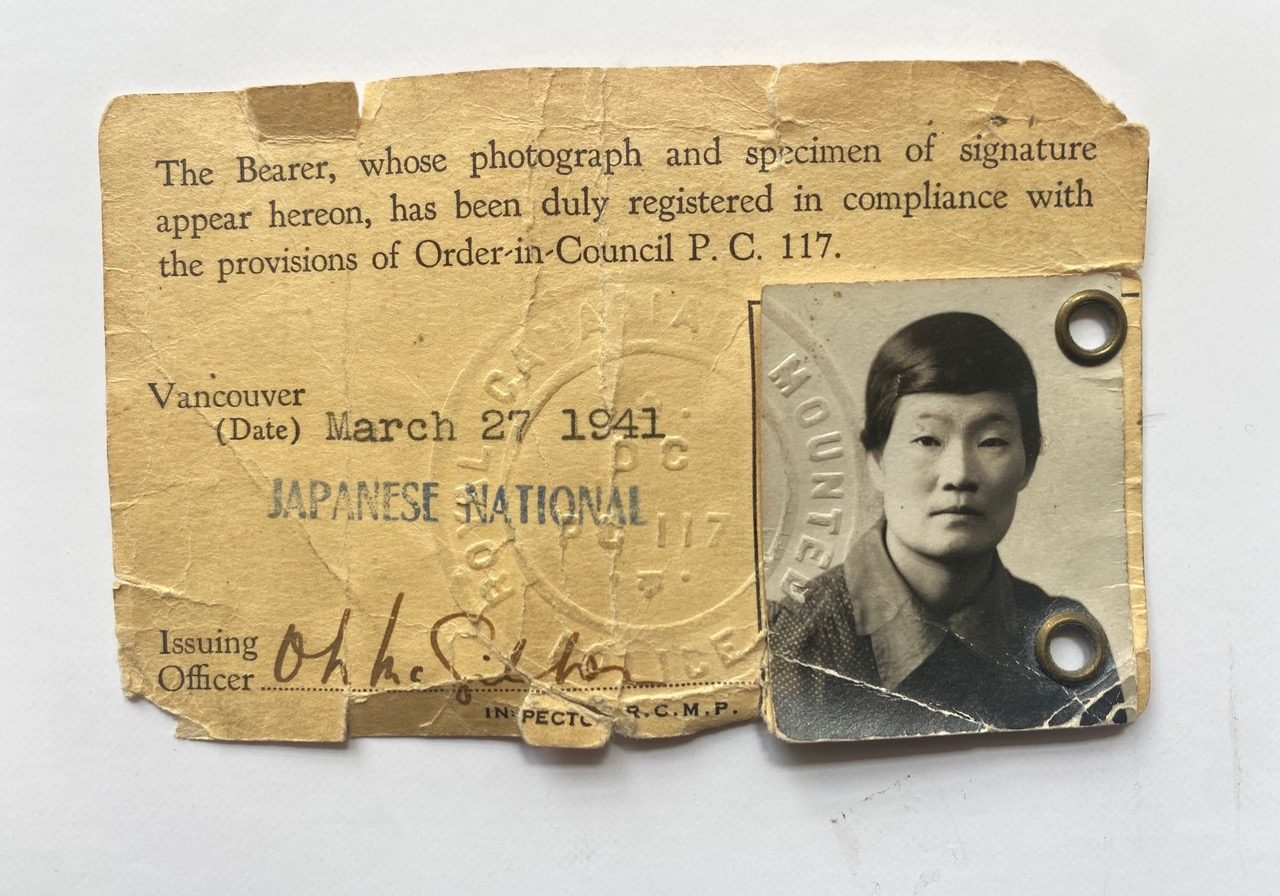
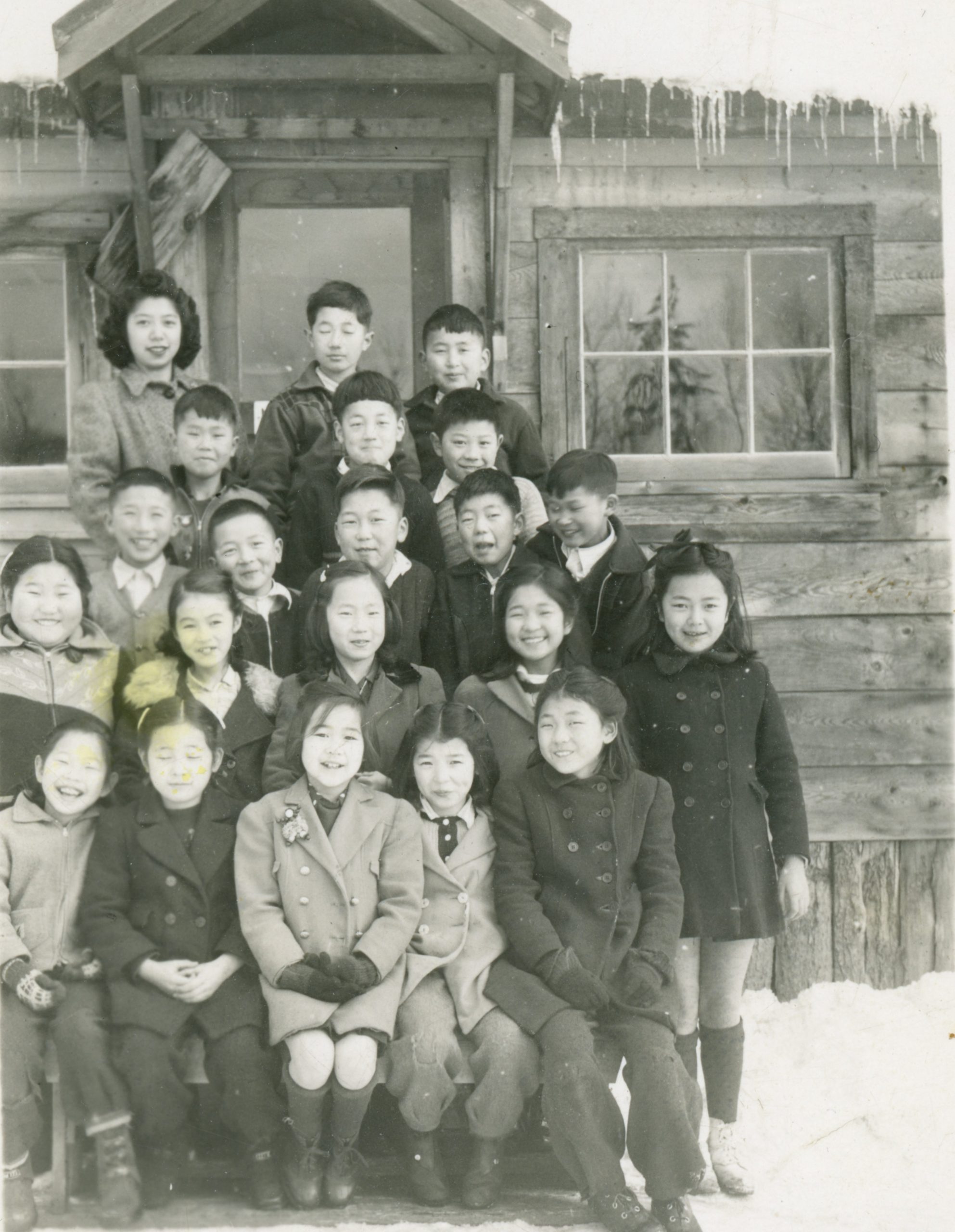
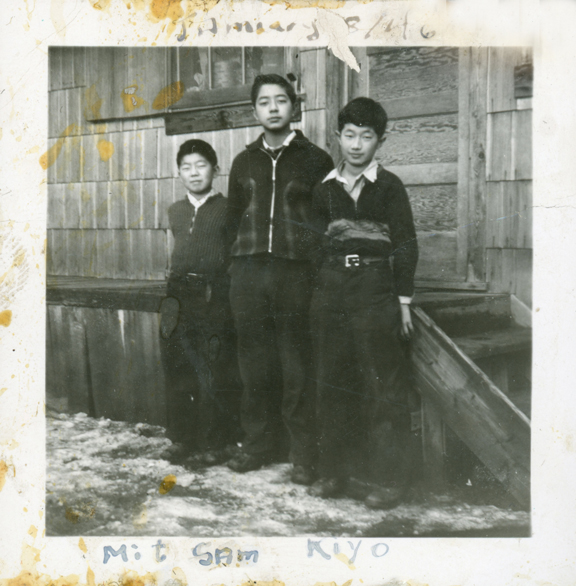
The Yamadas were forcibly removed from their home at King Edward Bay in the spring of 1942. They packed what they could carry and left much of their life on Bowen behind.
Toby Malkin later remembered watching Kanichi as he steered the boat away from the island:
“Mr. Yamada, he was standing there with his back to us — he was steering the boat … he turned around and there was a tear running down his cheek — he was crying … he looked back at Bowen and he looked at all the kids and then he turned around and he didn't turn back again.”
The memory remained powerful for Toby decades later:
“It was just a very, very sad moment … we were very close to the kids.”
The family was taken to Hastings Park in Vancouver, which had been converted into a temporary detention and processing centre for Canadians of Japanese descent being forcibly removed from the coast.
At Hastings Park, families were separated by age and gender. Women, girls and younger boys were housed in buildings normally used for livestock, while men and older boys were housed separately. Conditions were crowded and unsanitary, with little privacy.
Isamu Yamada later remembered that manure remained in the livestock building when the family arrived.
By early September 1942, members of the Yamada family were sent to New Denver, one of the incarceration sites established in British Columbia’s Interior.
Life in New Denver
In New Denver, the family lived in house number 70, in an area known as “the Orchard.” The small houses were hastily constructed from green lumber and covered with tar paper. As the wood dried and shrank, gaps opened between the boards. One of the Yamada daughters later remembered stuffing newspaper into the cracks to keep snow from blowing inside.
Life continued despite the difficult circumstances. One of the Yamada daughters, who had long wanted to become a nurse, found an opportunity to train at the New Denver Sanatorium, commonly known as “the San.” She also remained in contact with her Bowen Island school friend Pearl Punnett.
The younger children still found opportunities for mischief. Isamu remembered sneaking into a neighbour’s garden with a friend and pulling up radishes. They took the bottoms and carefully replaced the leafy tops so that the vegetables appeared to be growing. When they were caught, the boys insisted that the fertilizer must have been bad because the radishes had grown only their top halves.
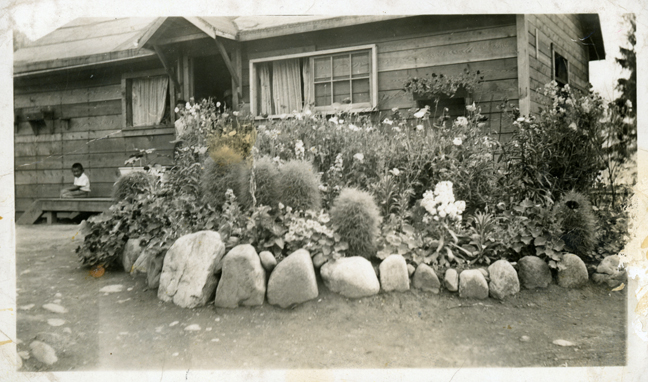
Throughout the family’s forced removal, the Yamadas maintained connections with friends on Bowen Island. Letters and photographs travelled back and forth. The Yamada children remained in contact with school friends, including Pearl Punnett and Joan Tennant, while the relationship between the Yamada and Malkin families continued.
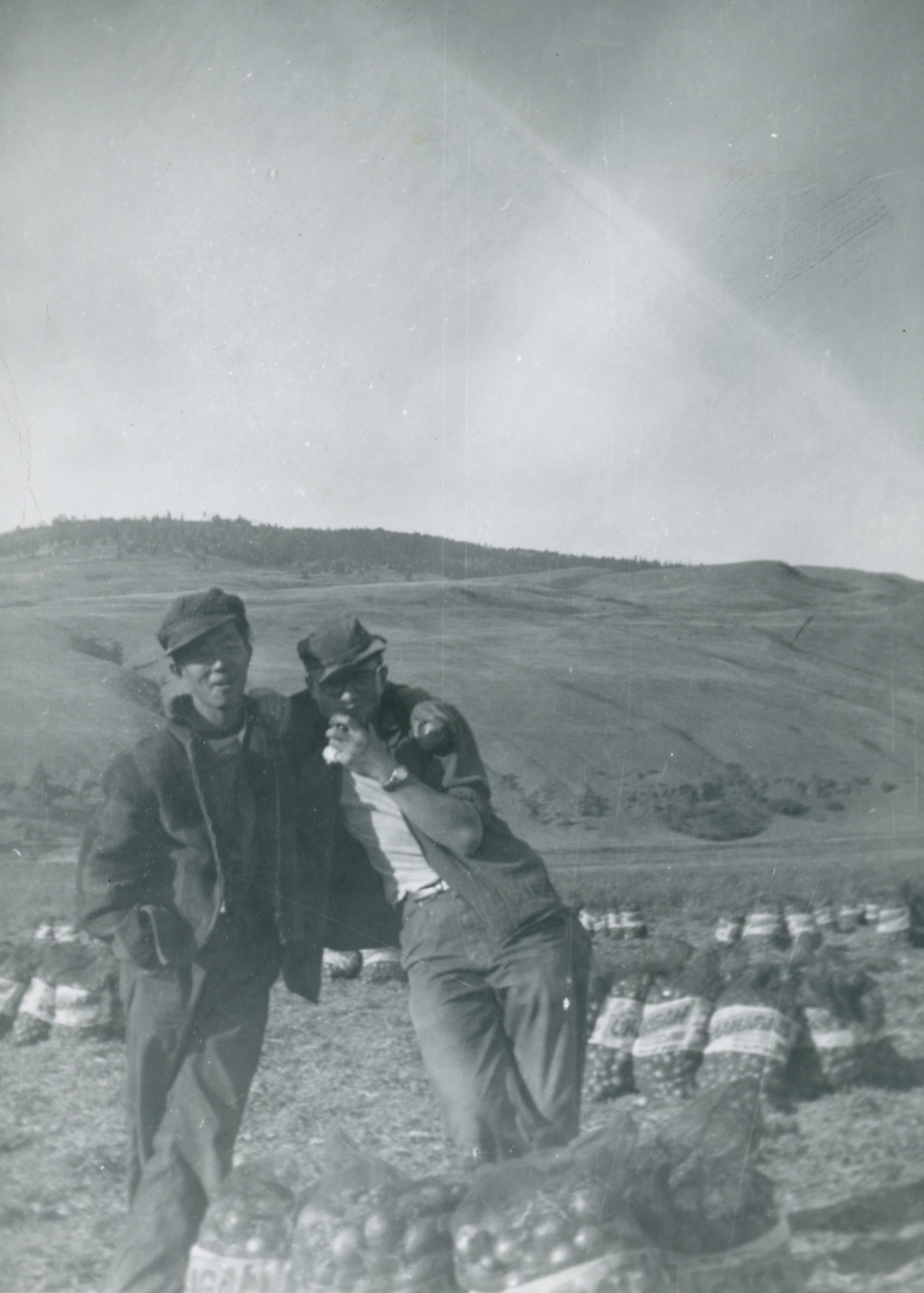
The family’s lives also began to take different paths. Kikuye Yamada married Noriaki Okazaki on March 10, 1945. Noriaki was living in Vernon, outside the restricted coastal zone, where he worked on a fruit orchard.
Starting again
After the wartime restrictions ended, the Yamadas did not return to live on Bowen Island. Members of the family remained in the Okanagan, where they began rebuilding their lives.
The family leased agricultural land and once again turned to farming. As the children grew older, they married and raised families of their own.
The relationship with the Malkins endured. Years later, members of the Yamada family returned to visit them, bringing produce grown on the farm they had established as they rebuilt their lives.