Leaving Japan
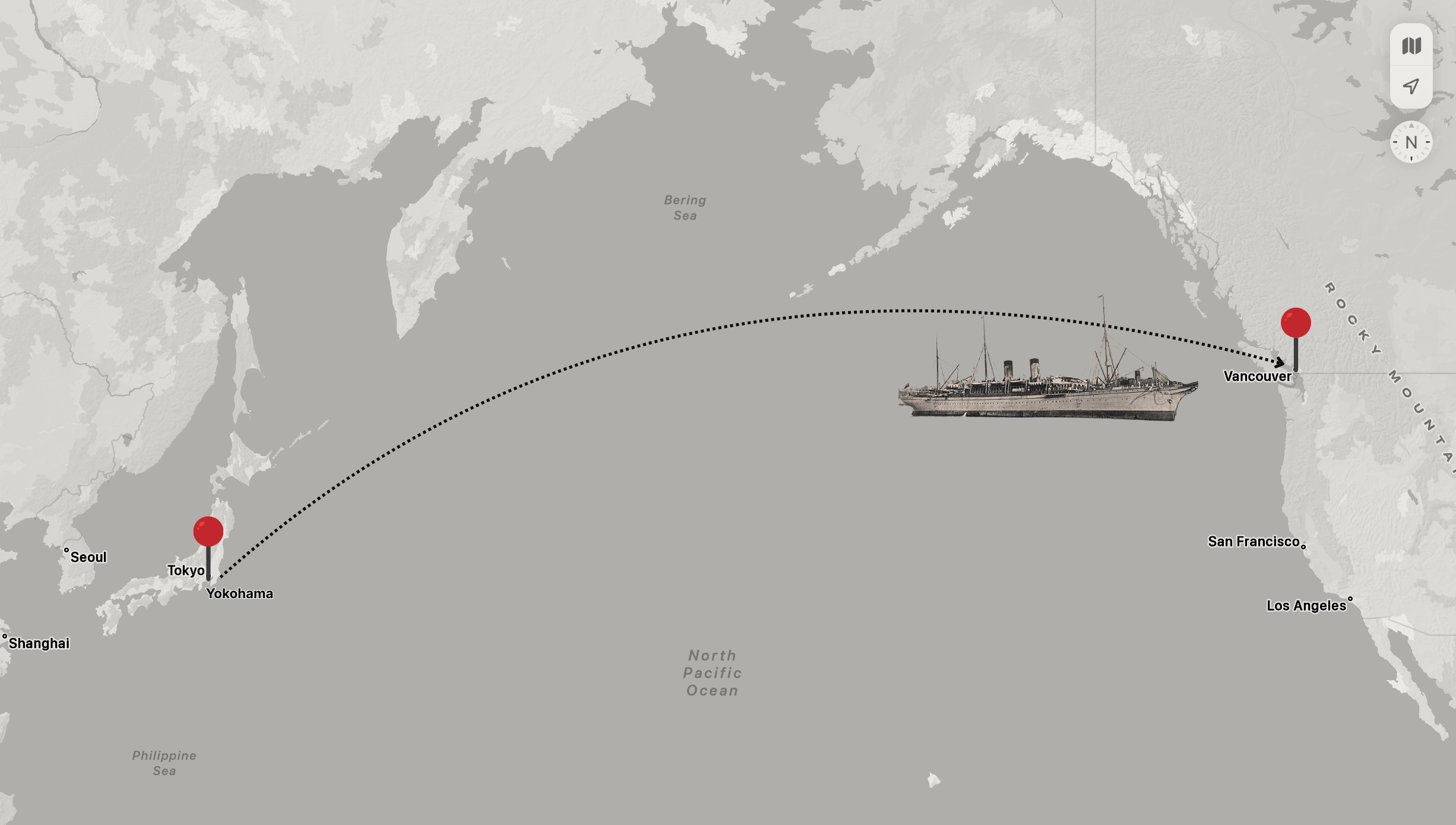
The first major period of Japanese immigration to Canada began in the late nineteenth century. The first Japanese person known to have settled in Canada was Manzo Nagano, who arrived in New Westminster in 1877 after stowing away aboard a British ship.
For more than two centuries, Japan had maintained policies that severely restricted travel abroad and contact with much of the outside world. This began to change during the Meiji era (1868–1912), a period of rapid political, economic, and social transformation. As restrictions on overseas travel eased, increasing numbers of Japanese people began looking beyond Japan for opportunity.
The opening of regular steamship service between Yokohama and Vancouver in 1887 made travel between Japan and Canada's Pacific coast increasingly accessible.
Many of the earliest immigrants were young, single men from farming and fishing communities where economic opportunities were limited. Some intended to remain abroad only long enough to earn money before returning to Japan. Around half of the early immigrants to Canada came from four prefectures: Hiroshima, Shiga, Wakayama, and Kagoshima.
For many, the possibility of greater economic opportunity was an important reason for coming to Canada.
Finding Work in British Columbia
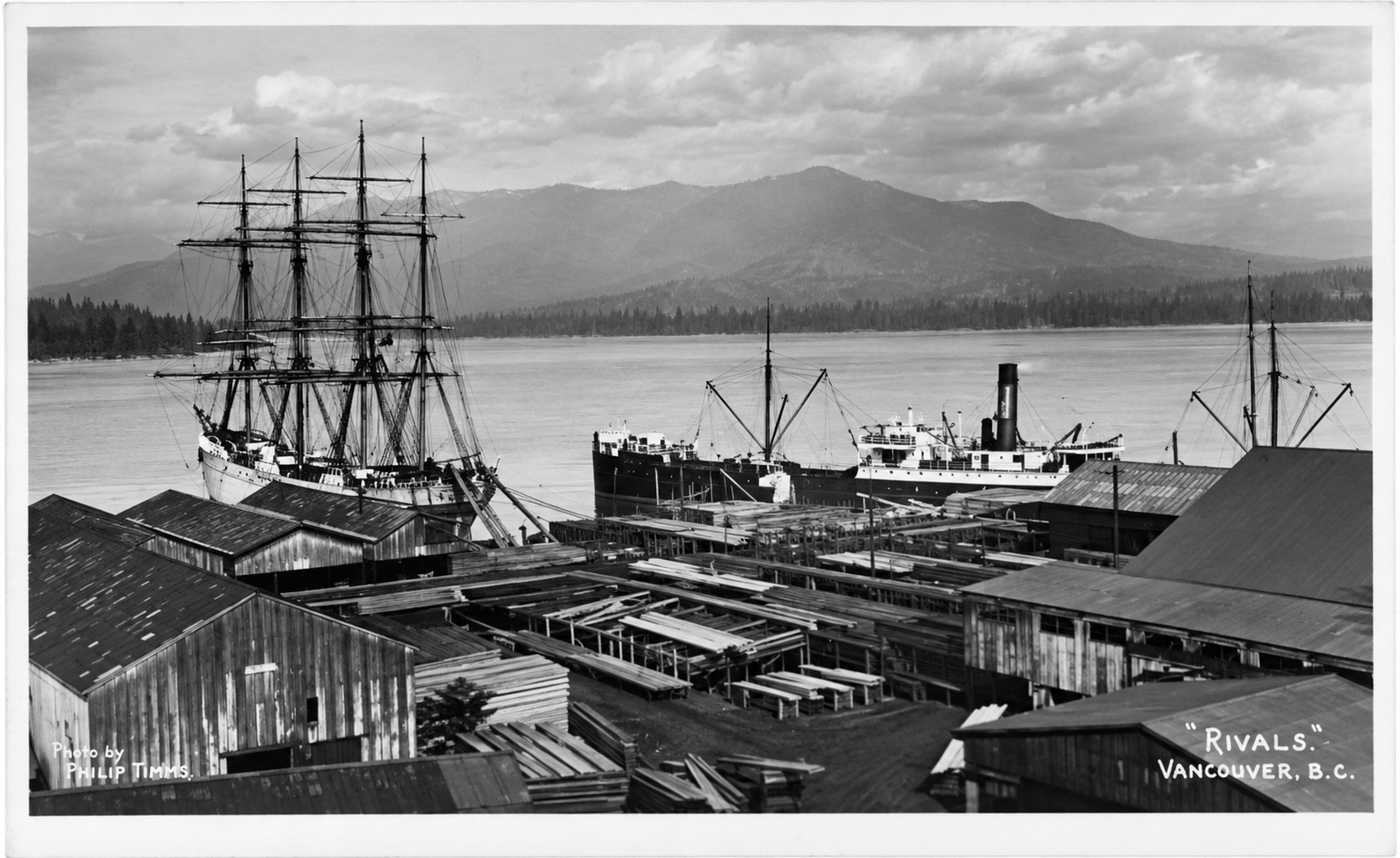
British Columbia's rapidly developing resource industries created a strong demand for labour. Japanese immigrants found employment in fishing, logging, sawmills, mining, railway construction, and domestic service.
Much of this work was physically demanding and poorly paid. Racial discrimination also affected the kinds of work Japanese immigrants could find and what they were paid.
Japanese workers could be found throughout coastal British Columbia, in Vancouver and the Fraser Valley as well as in fishing villages, logging camps, mines, sawmill towns, and industrial settlements up and down the coast.
Bowen Island was part of this wider network.
Building Families and Communities
Early migration was dominated by young men, but this gradually changed. Once established, some immigrants brought family members to Canada. Single men also arranged marriages with women in Japan through exchanges of letters and photographs.
These women became known as “picture brides.” They began arriving in significant numbers around 1908, with approximately 300 to 400 arriving in the peak year of 1913.
As families grew, more permanent communities developed.
In Vancouver, a Japanese neighbourhood developed around Powell Street, known as Nihonmachi. Stores, boarding houses, restaurants, community organizations, schools, and places of worship were established near employment centres such as Hastings Mill.
Similar communities developed in Steveston and in industrial settlements throughout coastal British Columbia.
Belonging and Exclusion
Building lives in Canada did not mean being accepted equally within Canadian society.
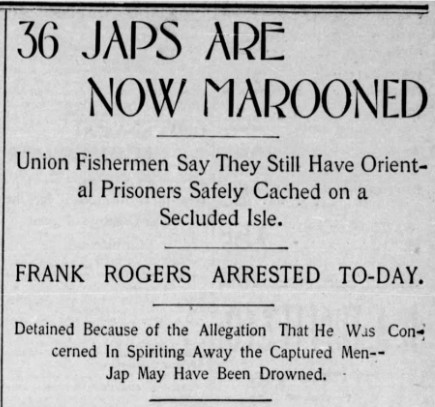
Anti-Japanese prejudice accompanied Japanese immigration almost from its beginning. Politicians, newspapers, labour organizations, and members of the public portrayed Japanese immigrants as economic and racial threats.
Yet Japanese immigrants were also becoming neighbours, employees, business owners, friends, and members of local communities.
In 1895, British Columbia denied the provincial vote to people of Japanese descent. Disenfranchisement had consequences beyond voting because eligibility for some professions and public positions was tied to inclusion on provincial voters' lists.
As Japanese Canadians established families, businesses, schools, religious institutions, and community organizations, they continued to face barriers to political, economic, and social participation.
Cowan, Konishi and the Politics of Japanese Labour
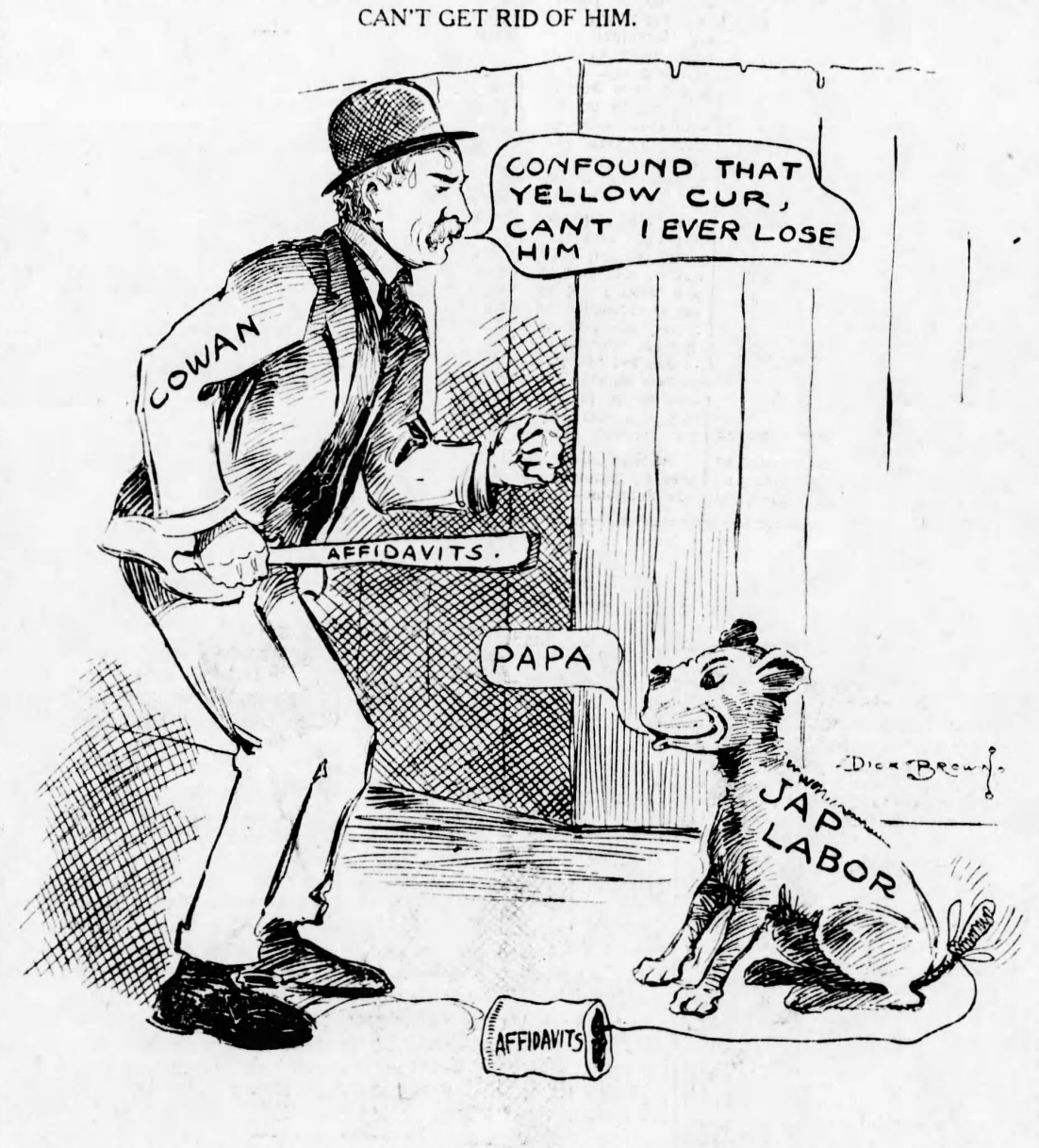
The story of Mr. Konishi, whose first name has not survived in the historical record, offers a glimpse into the complicated experience of Japanese immigrants on Bowen Island.
Konishi worked for prominent Vancouver lawyer and politician George Cowan, who owned property at Cowan Point on Bowen Island.
Cowan participated in a political culture in which anti-Asian sentiment was used to attract voters. In 1908, Cowan himself became the subject of controversy when allegations circulated that Japanese labourers were working on his Bowen Island property.
Newspapers quickly took up the story.
Cowan responded by obtaining affidavits from Bowen Island residents denying that he employed Japanese labourers on the property. He acknowledged that Konishi was there but maintained that his employment resulted from an arrangement with the property's previous owner.
Away from the political controversy, a different picture emerges. Family and local accounts suggest that Konishi developed a close relationship with the Cowan family, particularly the children. Konishi Bay on the Cowan property was reportedly named for him. Cowan also considered establishing accommodation for Japanese fishermen working in the waters around Cowan Point during the summer.
Konishi’s history reveals how a person of Japanese descent could be part of the Bowen Island community while also experiencing the racial prejudice and exclusion present on the island and elsewhere in British Columbia.
A Growing Community and Growing Opposition
By 1901, nearly 5,000 Japanese people were living in Canada. Immigration increased rapidly during the first years of the twentieth century.
Japanese Canadians established businesses, religious institutions, language schools, community organizations, and increasingly permanent neighbourhoods.
Opposition grew as well.
Labour disputes in industries such as fishing and logging were frequently divided along racial lines. Japanese workers were portrayed as competitors for jobs and wages, while Japanese-owned businesses were characterized as threats to white economic interests.
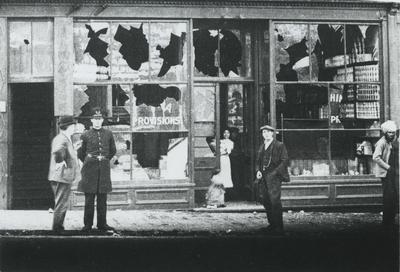
In 1907, a Vancouver branch of the Asiatic Exclusion League was established. On September 7, a demonstration organized by the League developed into a riot. Crowds moved through Chinatown and then Nihonmachi, smashing windows and damaging businesses.
In 1908, Canada and Japan reached what became known as the Hayashi-Lemieux Agreement, or Gentlemen's Agreement.
Under the arrangement, Japan agreed to limit the number of passports issued to male labourers and domestic servants travelling to Canada. Family members and certain other categories were treated differently, allowing wives and children to continue joining men already established in Canada.
Immigration restrictions tightened further in the years that followed, but Japanese Canadian communities continued to grow throughout British Columbia.